Saqalan Expeditions
Quseir · Red Sea coast · since 2014

The Eastern Desert is the half of Egypt nobody writes about. We do.

Saqalan is a small field-guide desk based in Quseir, on the western shore of the Red Sea. We map and verify the Roman porphyry and granite quarries, the Pharaonic trade routes that linked the Nile to the Red Sea, the Ottoman pilgrim ports, and the reef-edge logistics of the modern dive coast. We do not run safaris ourselves — we plan them, verify the operators, and publish the field notes nobody else writes down.

Coverage
~620 km
Field log
12 yrs
Verified operators
17

Route planner — 24-hour brief

Tell us roughly where you want to go and roughly when. We reply with a one-page brief — drive times, current access, sensible cuts.

Six field files

What we cover, in the order most readers walk through it.

Each file below is a maintained reference page with a last-verified date, drive logistics from the nearest base, current ticket and access conditions, and a public change log. Six sit in the top navigation; the seventh — the Marsa Alam regional walkthrough — is in the footer.

01
Roman quarry · 28km NW of Hurghada

Mons Porphyrites

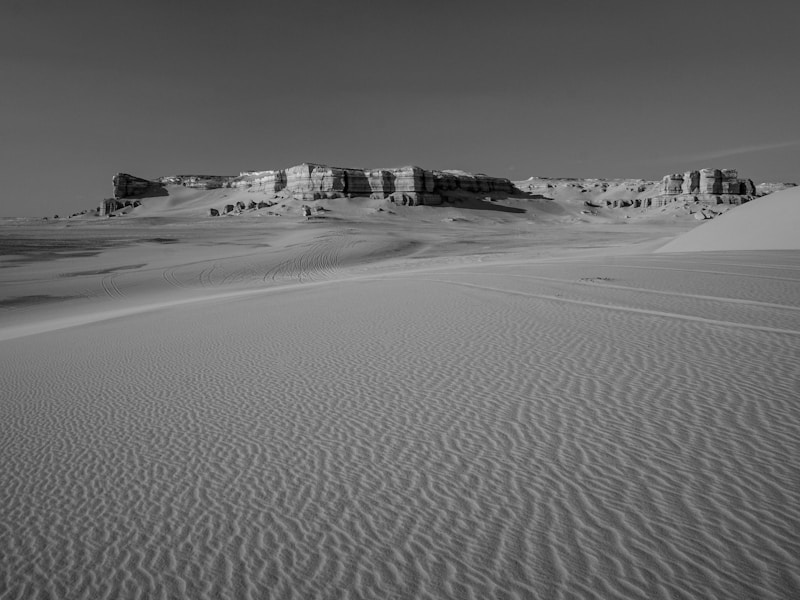
The only ancient source of imperial porphyry. Worked by Roman crews from the late first century AD through the fifth, supplying the columns and sarcophagi that fill the Vatican, Hagia Sophia and the imperial palace at Constantinople. Five surviving quarry villages on the mountain slopes.

Open the file
02
Roman quarry · interior Eastern Desert

Mons Claudianus

The black-flecked granodiorite quarry that produced Trajan's Forum columns and a substantial part of the Pantheon. Roman administrative camp survives in plan; the unfinished colossal column lies where it cracked at extraction.

Open the file
03
Pharaonic trade route · 150km Quseir–Coptos

Wadi el-Hammamat

The principal land route between the Nile valley and the Red Sea from the Predynastic onward, and one of the densest concentrations of dated inscriptions and petroglyphs in Egypt. Bekhen-stone quarries, Senusret III stelae, Roman milestones.

Open the file
04
Medieval & Ottoman port · Quseir

Quseir Old Port

The Ottoman pilgrim port that dispatched Hajj traffic from Upper Egypt across the Red Sea to Jeddah from the 16th century onward, built on the remains of the Roman port of Myos Hormos. Restored 19th-century customs buildings open as a small museum.

Open the file
05
Practical · 4×4 Bedouin operators

Desert Safari guide

The one page on this site that names operators. Verified Bedouin-led 4×4 outfits in Hurghada, Quseir and Marsa Alam — what each charges, what's actually included, where they go and which ones bring you back on time.

Open the file
06
Snorkel & dive · reef logistics

Coral reef circuit

Giftun, Abu Dabbab, Sha'ab Samadai (the Dolphin House), Marsa Mubarak. House-reef notes for shore-divers, day-boat options for visitors without their own equipment, and the seasonal calendar of what's where.

Open the file
The four-step method

Why our pages do not look like other Eastern Desert content.

Almost everything written in English about the Eastern Desert north of Marsa Alam is recycled from a small set of academic publications from the 1990s. We do field work and we date everything. The cycle below is the one we have used since the desk opened in March 2014.

i

Drive it

Every route in the file is driven by an editor at least once per twelve months, with the GPS track logged and the current track condition photographed at five fixed checkpoints.

ii

Talk to the inspector

Each quarry and each Wadi el-Hammamat checkpoint has a named SCA inspector. We log their current name and phone every visit and reconcile against the previous record.

iii

Read the academic record

Cross-check against the published reports of the British, French and Polish missions working in the Eastern Desert; we translate Arabic-language SCA bulletins on access.

iv

Date and sign

Every page carries a visible last-verified date and the editor signature. Changes appear as new dated entries; old entries are not silently overwritten.

Why us

A field desk that picks up the phone in Quseir, not a content brand pretending to.

Saqalan was founded in March 2014 by three working desert guides and a former antiquities inspector who got tired of watching foreign visitors arrive at the Mons Porphyrites checkpoint with hand-drawn maps printed from blog posts that hadn't been updated in fifteen years. Twelve years later we are still small — four full-time staff, two outside contributors on rotation — and that suits us. Anything bigger would require selling something other than the field guide itself, and we have no interest in doing that.

  • Local desk. Office hours Saturday through Thursday, 08:30–17:30 Cairo time. Reply window: one business day, in English or Arabic.
  • No commission income. We do not earn from the operators we list. Our income is reader subscriptions and one-off route briefs.
  • Verifiable. Every route has a GPS track and a dated photo set; subscribers can request both for any published route.
  • Conservative on tracks. If a track is impassable in soft sand after winter storms, we say so. We have lost subscriber numbers to honesty before; we will lose more.
The Saqalan field desk in Quseir with topographic maps and field notebooks
12 Years of continuous publication since the Quseir desk opened in March 2014.
~620km Of mapped desert track verified, from Suez Governorate south to Marsa Alam.
17 Verified independent operators on the current shortlist — every one has been worked with on multiple trips.
340 Field-verified petroglyph and inscription points on the Wadi el-Hammamat route alone.
Who reads us

Subscribers tend to fall into three groups.

The notes below come from current subscribers, quoted with permission. They give a fair picture of who the archive is for and who it is not for.

The published track condition reports for the road between Safaga and Mons Claudianus have saved me from organising at least two trips that would have been ruined by the autumn rains. The level of detail is hard to match.

Dr. Henrik Vollmar Roman provincial archaeology, Universität Heidelberg

I run a small dive-and-archaeology programme. The Saqalan brief on combining the Quseir Old Port morning with a reef afternoon has gone into my standard programme brochure verbatim — with the desk's permission.

Catherine Mavros Independent specialist tour operator, Athens

When I asked the desk in Arabic about the current SCA inspector at Wadi el-Hammamat, they replied with a name, a phone, and the date their editor had last spoken to him. No other guide gives you that.

Tarek Abdel-Hady Heritage journalist, Cairo
Frequently asked

Six questions readers ask before paying for the first month.

How is this different from a Lonely Planet or a generic Red Sea blog?

Print guidebooks update on a multi-year cycle and have no incentive to track desert track conditions. Resort blogs are written by people who have never left the hotel compound. We do four-wheel-drive verification every twelve months along every published route, and we date everything. That is the practical difference.

Do you run tours?

No. We list and verify Bedouin-led operators on the Desert Safari page, but we earn no commission on bookings made through them and we do not handle any logistics on your behalf. If you want a full booked trip, hire one of our listed operators directly.

Do I need a permit for the Roman quarry sites?

Mons Porphyrites and Mons Claudianus are SCA-supervised but admission is open during published hours. Wadi el-Hammamat is open. The Roman fort at Bir Umm Fawakhir requires a permit through the Quena inspectorate; we explain the procedure on the Wadi el-Hammamat page.

What is the best time of year for a desert trip?

October through April. May through September the daytime temperature at the quarry sites regularly exceeds 42°C, and the soft-sand sections of the access tracks become exhausting on foot. June through August is the off-window for everyone who does not have to be there professionally.

Is the Eastern Desert safe?

Yes, with the usual caveats. The published tourist sites are inspector-supervised and the road network is monitored. Off-piste exploration without a Bedouin guide is not recommended and is technically not permitted; the Egyptian Tourism Police take the rule seriously. With a verified guide there is no security concern of which we are aware.

Do I need Arabic?

Not to use the published files. Every page carries an "On the ground" block with the Arabic signage you will see at checkpoints and the standard prices in Egyptian pounds at the last verification. Subscribers' notebook scans are bilingual.

Open one of the six field files in full before you subscribe.

Mons Porphyrites and Wadi el-Hammamat are the longest. Read either, then decide whether the rest is worth the monthly fee.